


Which candle suits which room?
A candle can transform the atmosphere of your whole home – making it cozier, calming, refreshing or energising. The key is to match the scent and type of candle to the function of each room.
In this guide you’ll find practical tips to help you choose the perfect candle for your living room, bedroom, bathroom, kitchen, home office and hallway.
When we choose a candle, we usually just follow the scent we like. But it’s also worth thinking about the room in which it will burn most of the time. Different aromas work best in the bedroom, others in the bathroom, kitchen or home office.
Thanks to their natural base, soy candles blend beautifully with fragrance oils and allow you to create a consistent “scent plan” for your entire home.
Think of candles as a subtle frame for each interior – they should support the function of the room, not compete with it.The heart of the home – warmth and hospitality
The living room is the space for conversations, guests and shared moments. The scent should feel comforting and enveloping, without being overpowering.
- vanilla, caramel, dessert-inspired notes
- sandalwood, cedarwood, amber
- autumn blends: spices, pumpkin, cinnamon
- “clean home”: cotton, linen, almond milk
In a large living room you can reach for richer compositions – in smaller rooms it’s better to choose a single candle with a softer intensity.
A space for rest and regeneration
Here the candle should help you unwind, relax body and mind – rather than stimulate you.
- lavender, chamomile, sage
- white jasmine, rose, violet
- gentle combinations of vanilla and florals
- “sleep” or “calm” blends with herbal notes
In the bedroom, candles with a subtle scent projection work best – especially if you light them in the evening right before sleep.
Your small home spa
Bathrooms love fresh, cleansing scents – perfect for a morning shower and an evening bath.
- citrus: lemon, grapefruit, bergamot
- mint, eucalyptus, rosemary
- marine and ozonic notes (“sea breeze”)
- gentle spa aromas: green tea, aloe, cucumber
In a small bathroom, one medium-sized candle is enough – heavy, intense scents can quickly feel overwhelming.
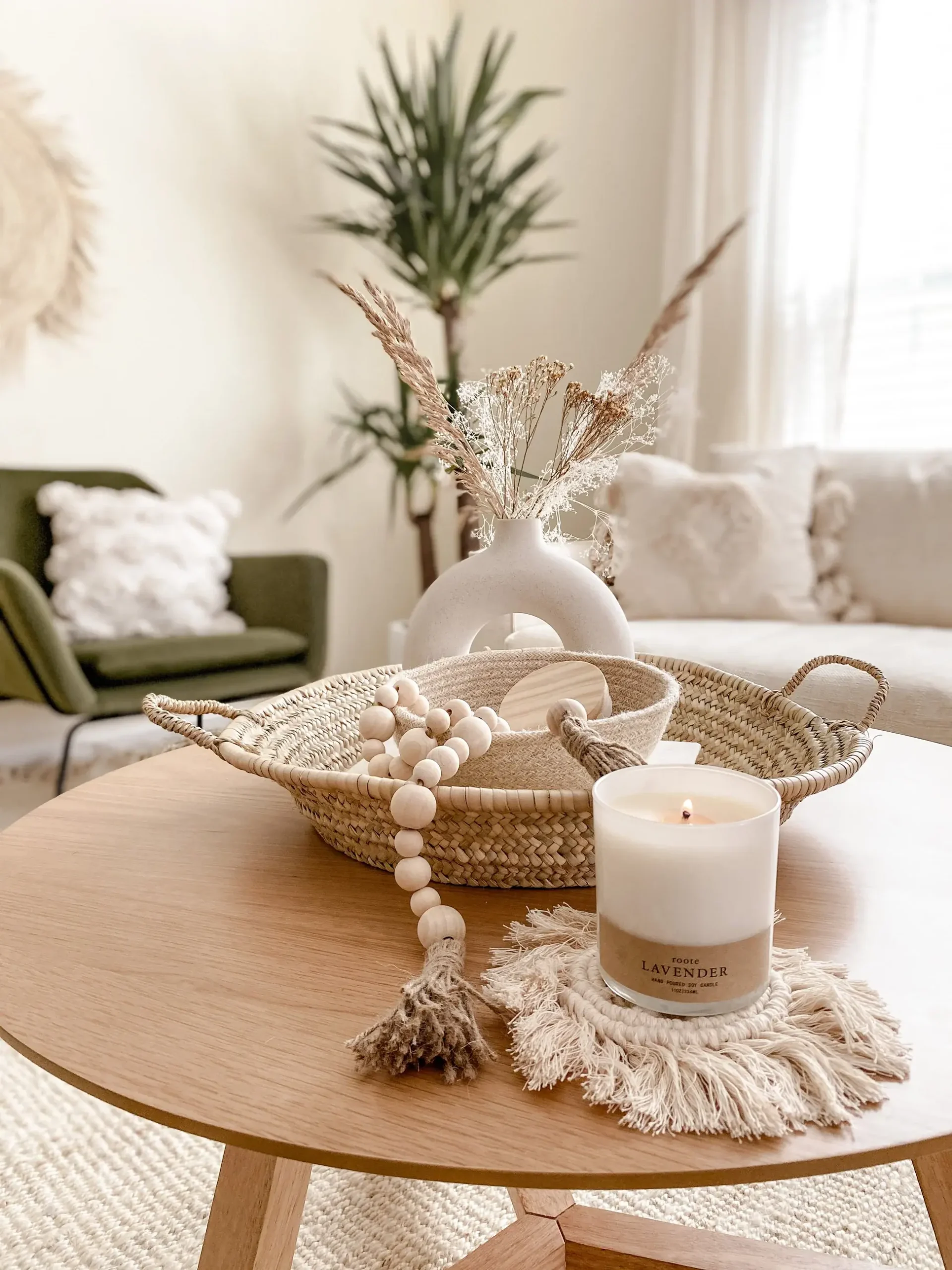
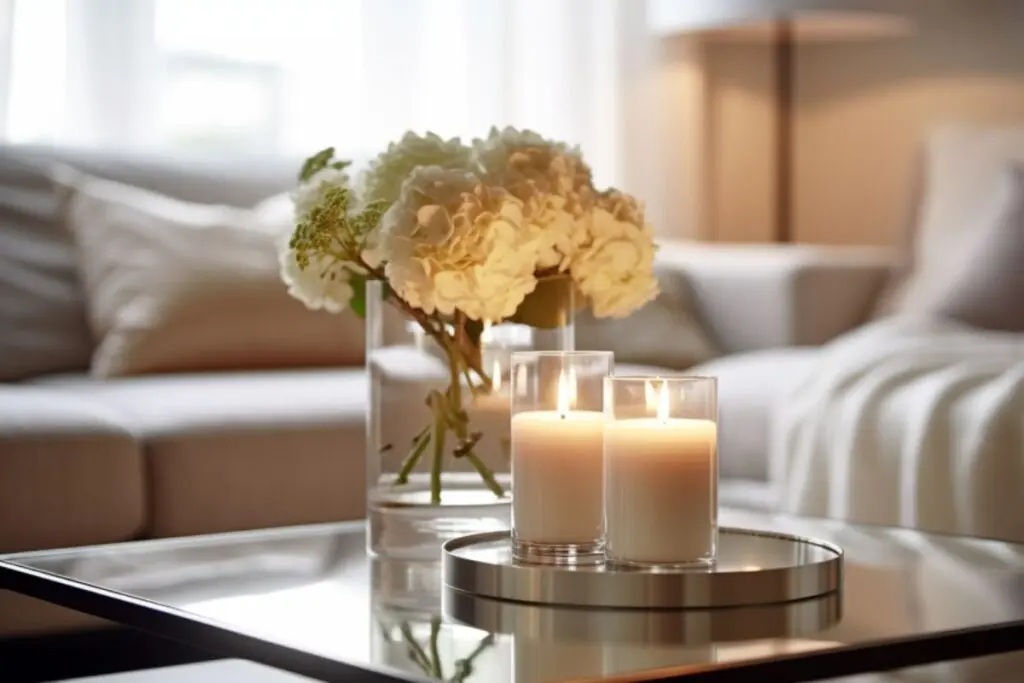
A soy candle in the living room – soft light and a warm, enveloping aroma.
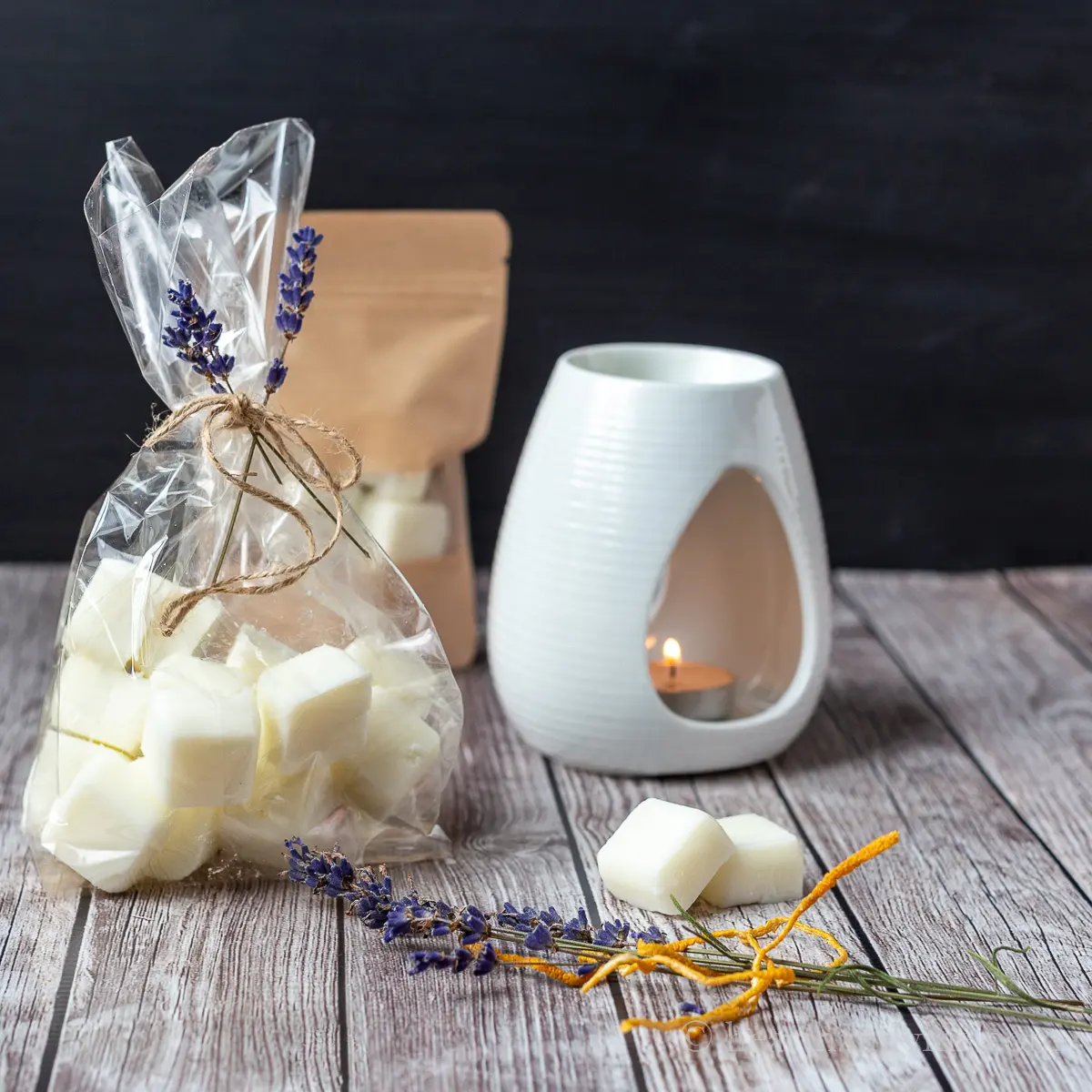
Bedroom with a delicate lavender scent – the perfect atmosphere before sleep.
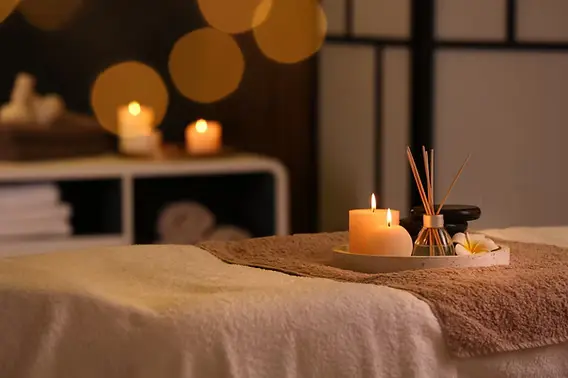
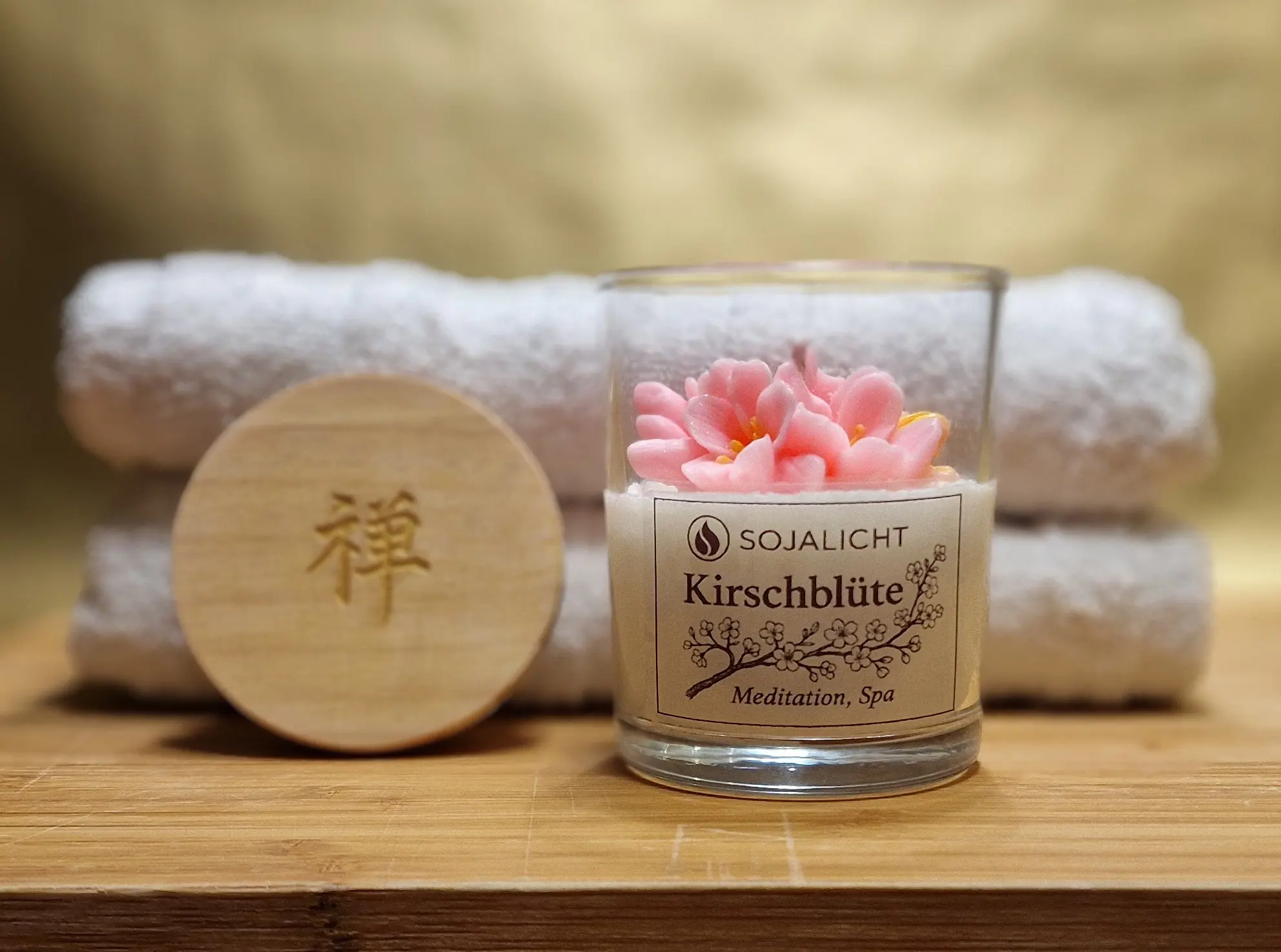
Spa-style bathroom – a candle with citrus and eucalyptus notes completes the ritual.
Scents that refresh instead of clashing
In the kitchen, the candle’s role is to gently neutralise cooking smells – not to compete with them.
- lemon, lime, orange
- herbs: basil, rosemary, thyme
- green tea, matcha
- lemongrass
Right after cooking, avoid very heavy, dessert-like scents – they can clash with food aromas.
A scent that supports your concentration
When you’re working, clarity matters – the candle should help you focus, not distract you.
- citrus: mandarin, bergamot
- mint, eucalyptus, rosemary
- black or green tea
- soft woody notes: cedar, pine
Very sweet scents in a workspace can make you feel sluggish – go for clean, uplifting notes instead.
A fragrance that welcomes you and your guests
This is the very first scent you notice when you walk through the door. It should be light, elegant and inviting.
- white tea, peony, fresh florals
- fresh cotton, linen
- gentle citrus notes
- soft, powdery compositions
A single candle in the hallway can create a wonderful first impression – especially in the evening.
How to match a candle to the size of the room
Scent intensity depends not only on the fragrance itself, but also on the space. The very same candle will feel different in a small bathroom compared to a large living room with an open-plan kitchen.
The most common mistakes when choosing candles for rooms
❗A scent that is too strong in a small room
In small rooms, very heavy, intense fragrances can cause headaches instead of relaxation. Light, fresh notes work much better there.
❗Too many different scents at the same time
One candle in the living room, another in the kitchen and a third in the hallway – all burning at once – can quickly turn into scent chaos. It’s better to choose one cohesive fragrance line for a given evening.
❗Not matching the scent to the time of day
Deep, spicy scents are usually better in the evening, while citrus and herbal notes are ideal for daytime. It’s worth having different candles for different moods and times of day.
A well-chosen candle can highlight the character of a space – adding coziness to the living room, calm to the bedroom, freshness to the bathroom and focus to the home office. The secret lies in consciously matching the fragrance and intensity to the room’s function and size.
Start with a single room – for example the living room – and create your own, consistent “scent signature” for your home. Then gradually choose candles for the other rooms until your whole home smells exactly the way you love it.